
The Complete Guide to Custom Clothing Tags

Tags are a small yet essential part of product presentation. When it comes to the fashion sector, the role of custom cloth tags is not hidden from anyone. These tags work for your brand in various ways fonts such as:

  • Identify the garment
  • Communicate essential product information
  • Reinforce brand identity
  • Create a more professional presentation

Custom clothing tags are small but an influential part of fashion branding. Whether you have a clothing brand or a fashion boutique, you certainly need to invest in custom tags for your clothes. There are several factors that you have to keep in mind at the time of tag selection. For a better understanding, read the blogs and know what you have to see for the best tags and how they are an essential part of your brand. 

What Are Custom Clothing Tags?

Custom clothing tags are branded labels that are designed for apparel products. You can print them with a logo and product information to give your brand visibility and your customer protection knowledge. You can select each specification of your tags based on the requirements of your company. Customization allows you to get everything you are looking for. A premium brand can select high-end and thick tags with foil stamping. On the other hand, an eco-conscious brand will prefer kraft paper tags for its clothes and so on. 

Why Are Custom Clothing Tags Important?

Clothing tags are a practical marketing option that gives customers information about the product. Customers can handle the garments as per the information mentioned on the tags. You can select a custom tag that will give your product a unique identity in the market and help you stand out. Some of the common reasons that influence brands to invest in tags are as follows: 

  • Strengthen brand recognition
  • Provide product information
  • Create  a professional presentation
  • Support marketing

Types of Custom Clothing Tags

There are different types of apparel in the market, and so are the tags for them. You need to choose tags based on your garment’s nature and the retail environment. Besides this, your branding strategy and information requirements are also essential in deciding the type of tag you need as a brand. 

Hang Tags

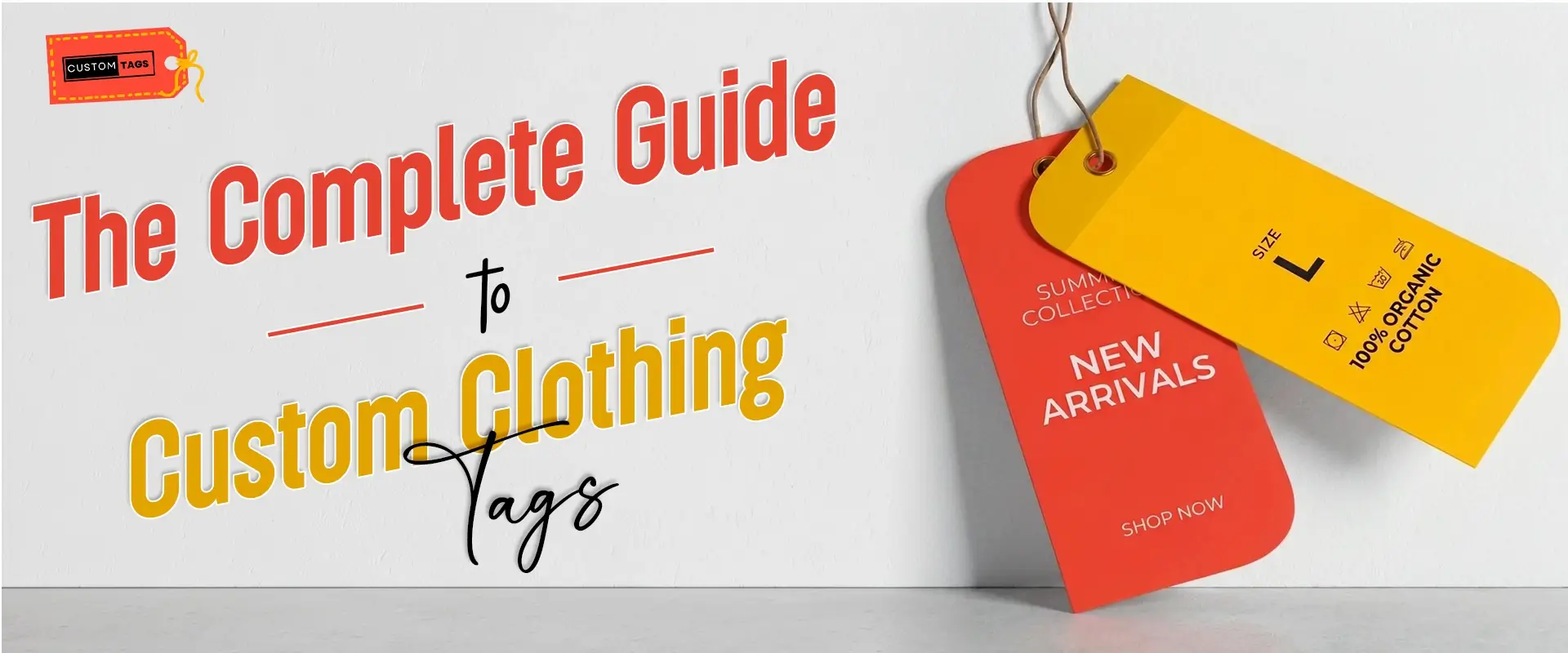
These tags are attached to the garments via strings of various types. Custom hang tags for clothes give substantial space for logos and product descriptions. You can also add product descriptions and logos with promotional information without any hassle. Hang tags are commonly used in the retail sector, where they can combine multiple pieces of information in one place. 

Folded Clothing Tags

Brands that need additional printable surfaces without a large surface can go with a fold over hang tag. There are multiple panels in the tags that can accommodate branding and sizing, along with other company and product-related information. 

Woven Labels

These tags give a durable and professional appearance. Woven tags are integrated into the garment and contain relevant information. These tags are used for small pieces of information. 

Printed Fabric Labels

Ink is used directly on textile material for printed fabric labels. These tags or labels are suitable for detailed designs and can accommodate information such as care instructions and fabric composition. 

Size Tags

You can give your product quick identification of garment dimensions, such as XS or numerical sizing. Size tags can be used integrated into the clothing or as a separate material. 

Care Labels

These types of clothing tags are used to communicate washing and other garment care instructions. Care labels contain exact requirements according to the market and applicable regulations. 

Best Materials for Clothing Tags

There are so many sizes and types of tags on the market. In the same way, there are several materials available for the manufacturing of clothing tags. Whether you need jean tags or shirt tags, there is always a perfect material for your brand. The common materials are: 

  • Kraft paper
  • Cardstock
  • Recycled paper
  • Specialty paper
  • Synthetic materials

How to Design Custom Clothing Tags

You need to design tags that balance visual branding with readable product information. There is no doubt that you can get assistance from custom tag manufacturers, but you yourself need to pay attention to the design for the best results. 

Start With Your Brand Identity

Use your brand logos and other typography on the tags that will show your brand’s visual language. Make sure that there is consistency between your clothing tags and websites. This consistency in your tags will help you create a strong identity in the market. 

Select the Right Size

Your tag must have the right size. It must neither be too large nor so small that it becomes difficult to read the information. If you have small garments, then choose compact tags. Premium garments can accommodate large formats with foiled add-ons. 

Prioritize Readability

Do not add too much on your tags, as it will overcrowd the designs and make the typography illegible. Use clear and easy-to-read fonts with sufficient contrast between the text and the background. By prioritizing readability on your tags, your customers will be able to identify brands and relevant product information quickly. 

Create a Clear Information Hierarchy

Your important pieces of information should receive the strongest visual emphasis. A typical content or design hierarchy on your clothing tags must have the logo first. Then you can add the product or garment name and so on. 

Add Useful Digital Features

Today, there is no growth if you do not have a digital presence. You can add QR codes on the tags that will direct customers to the product page and care guidelines. This will create authenticity in your brand information and enhance traffic to your social media profiles. If you are using NFC tags, test them first before creating the tags in bulk. Other elegant designs you can add to your tags are as follows:

Printing Best Uses Key Benefits Finish Options
Digital Printing Short Runs Flexible Designs Matte Coating
Offset Printing Large Runs Color Accuracy Gloss Coating
Screen Printing Bold Graphics Strong Results Soft Touch
Foil Stamping Premium Branding Metallic Effects Spot UV
Embossing Raised Designs Tactile Branding Rounded Corners
Debossing Recessed Designs Textured Effects Smooth Finish
Variable Printing Multiple SKUs Design Flexibility Premium Finish
CMYK Printing Full Colors Detailed Graphics Gloss Finish
PMS Printing Brand Colors Precise Matching Matte Finish
Hybrid Printing Mixed Requirements Versatile Results UV Finish

What Information Should a Clothing Tag Include?

The selection of printing information is done based on the type of market you are working in. For regulated markets, check the sample labels before vomiting for bulk production. The required information can vary from country to country, so always check the region labeling requirements where you are going to sell the product. Nonetheless, the common options are as follows: 

  • Brand name or logo
  • Garment name
  • Size
  • Price
  • Material composition
  • Care information
  • Country of origin
  • Product or style number
  • Barcode
  • QR code
  • Website
  • Social media information

How to Attach Clothing Tags

A brand should select the attachment method of apparel tags based on the garment requirements and the customer experience. You can use string attachments to give a traditional and premium appearance to the tags. On the other hand, ribbon tags are used when a softer and more delicate look is required. There are certain brands that select plastic fasteners for practical and high-volume retail tags. Adhesive options are also common in the market, but they are not very suitable for the apparel or textile industry. Woven and fabric labels are usually sewn to the apparel. 

Conclusion!

Get your custom apparel tags manufacture the way you want. You have to consider your product requirements and the budget of your company before selecting the tags for your brand. If you need an expert opinion for your tags, you can contact The Custom Tags. We help you get the best quality tags with free shipping and low rates all around the USA. You can get a free design consultation to get what suits your brands! 

The Ultimate Guide to Custom Hang Tag Materials

Nowadays, packaging is very important, and product hang tags are also part of that packaging. These tags are the first thing that the customers touch. This can make or break your brand’s impression. This is more than just a piece of paper that gives information about the products, such as prices or the ingredients. Here in this blog, you will learn about the materials that are use to make these tags. This will help you choose the right material according to your products and make the best tags. 

What are custom hang tags?

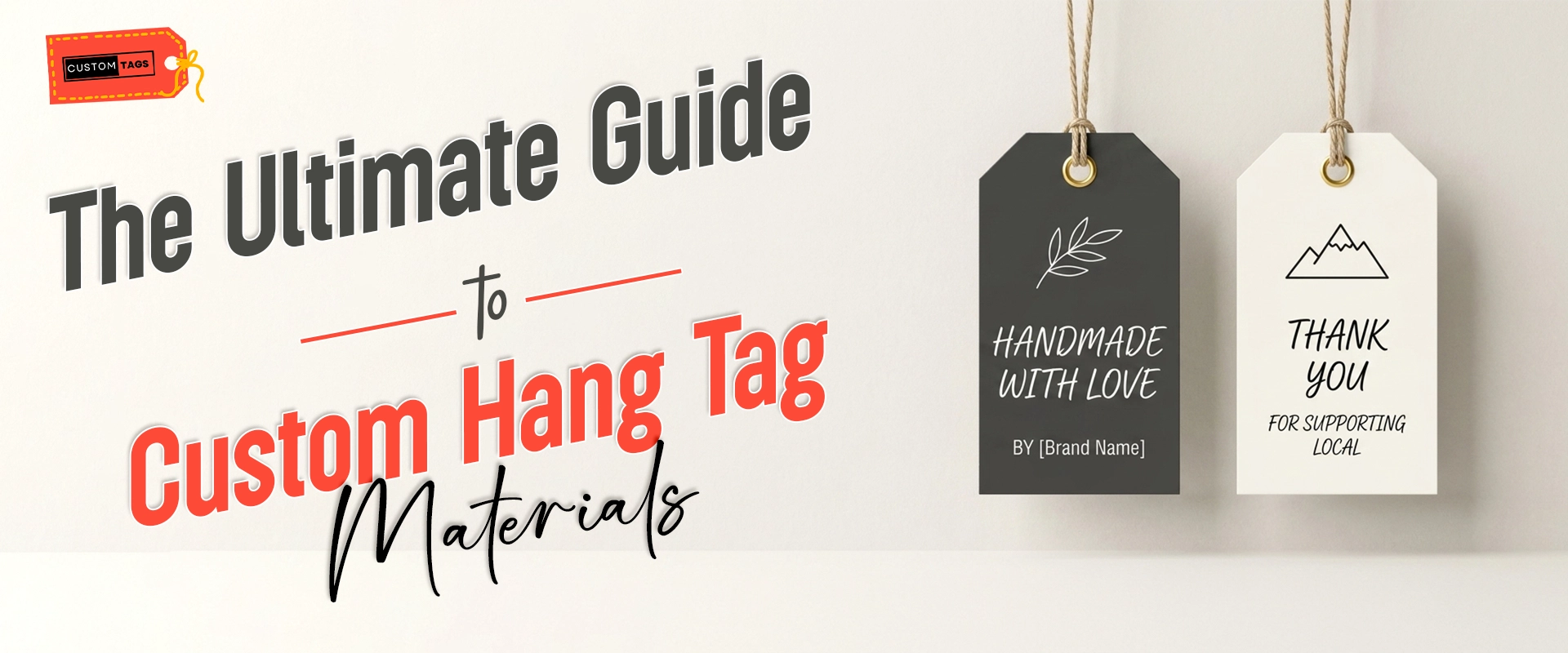
Custom hang tags are labels that are custom-made according to the theme of the brands and are attach to the outside of the product. These tags have information related to the products. Many companies use them to display the sizes, prices, and barcodes of the products. These tags were not given so much importance in the past, but now they leave a lasting impression, especially different-shaped hang tags such as custom circle tags and others. These tags help brands gain more customers as many people post these uniquely shaped tags on social media platforms.

What materials are use to make these tags?

The material is the base of the label. The material use to make tags determines the thickness, texture, weight, and printing capacity of the tags. Here is the comprehensive guide on different materials use to make these tags along with their uses and applications:

Material type  Feature  Intended application 
SBS C1S Coated front  Retail apparel with barcodes 
SBS C2S Clay coating on both sides  Premium electronics and cosmetics 
Woodfree paper Porous, matte texture  Minimal fashion and boutique goods 
Kraft paper  Brown and organic texture  Outdoor gear and artisanal crafts 
Coloured paper  Full solid color  High-contrast designs and logos 
CCNB White printing top and grey backing  High-volume retail
Metallic paper  Reflective paper  Luxury jewels and holiday gifts 
Textured paper  Three-dimensional patterns  Bridal wear and organic skincare
White kraft paper  Bleached natural fiber  Sustainable brands
Holographic paper  Light refracting, shifting rainbow gradients  Streetwear and youth-focused media 
Black cardboard  Deep carbon pigment  Luxury products with gold foil stamping 
Coated kraft  White front and unbleached black  Footwear and industrial tools 

Now let’s dig into the details of all of these materials one by one:

SBS C1S

Solid Bleached Sulfate (SBS) is high-density paperboard make from bleach virgin wood fibers. The C1S means “coat one side.” As this has only one side coat, the surface is smooth with a clay coating. The other side remains uncoat with a matte texture. These hang tags gives these tags a professional and clean look, which is best suited for retail businesses. 

SBS C2S

This has a coating on both sides; that’s why it is “coat two sides.” It has an identical smooth clay coating on both the front and back sides. It is best for tags that want printing on both sides. Gloss UV and soft-touch lamination are suit for this. 

Woodfree Paper (W/F)

This paper is also known as offset paper or fine paper. It is produce using chemical pulp. It has a porous and uncoated matte texture that absorbs ink quickly. This is best when you don’t want a glossy or plastic-like reflection.

Kraft Paper

This kraft paper tag is made using unbleached wood pulp. It has a rustic look and has good tear resistance. It is prefer for jeans, denims, and brands that want to use environmentally friendly materials. 

Colored Paper

This paper is make in such a way that the color is mix directly into the liquid pulp rather than getting color print on the white paper. This means that when you cut the hole in the tag, the edges of the hole are also of the same color as the tag instead of white lines. High-end luxury brands use these because they don’t want to compromise on the visual appeal of their products. 

CCNB

Clay-Coated News Back (CCNB) is the material that is made from old corrugate containers, recycle newspaper, and post-consumer waste fibers. These tags have a white top clay coating with a grey or brown back. It is a budget-friendly option. 

Metallic Paper

This has regular cardboard attached with aluminum foil or a vacuum-metalized coating. Because of this, it has a very reflective surface. This helps to attract clients. It has different colors such as gold, silver, and bronze. It is use for limited-edition or holiday-base products and gives them a luxurious look. 

Textured Paper

This paper does not use chemical manufacturing. It has three-dimensional surface patterns pressed directly on the paper. It has different textures such as

  • Linen
  • Felt 
  • Laid lines 
  • Hammered texture 

Luxury hang tags are usually used for extra luxury products such as bridal wear,organic skincare, and high-end stationery. 

White Kraft Paper

This is make by bleaching the original kraft paper that has a brown color. It just remove some color and gives the paper a white look so that printing can be done on it easily. The properties of this paper are the same as those of kraft paper. It is often use by brands that want customize tags made with kraft material. 

Holographic Paper

This paper holographic tags diffracts different colors and is made by laminating a plastic film into paperboard backing. It shows different colors when it is see from different angles and thus plays a role in catching the audience. It is use by youth-based merchandise and streetwear and gives an energetic look. 

Black Cardboard

This is make using deep carbon pigments during the manufacturing process; this paper has a black color through the core and does not show white edges when holes are cut. It is best incorporate with metallic foil stamping, such as gold, silver, and bronze, and along with spot UV. 

Coated Kraft (CCK)

This is industrial-level paper that has an unbleached kraft paper base with a smooth white clay coating. It has a smooth, printed white area on the front side and a brown back appearance of kraft paper. It is use for industrial tools, footwear boxes, and heavy outerwear. 

Material choices

After going through the details of the materials, it is really important to check the types of strings available. These strings are as important for the packaging as the tag because they attach your tag to the product. It is really important to choose the right string for the right product hang tags. They influence how the tags will be place on the product and their movements. The following are the types of strings that you can choose from:

String type  Composition  Best application 
Bead Chain Interlinked beads made of iron, brass, steel or aluminium  Designer wear, branded leather jackets, heavy-duty footwear 
Cotton String Natural cotton string spun and braided  Everyday casual wear items, children’s clothing 
Hemp String ade with hemp plant fibers twisted tightly  Organic skincare and soaps 
Leather String They give a luxury feel to the products and are available in genuine and faux leather  Winter coats, designer handbags, artisanal furniture 
Metal String Thin, flexible metallic wires   Jewelry, high-end watches 
Paper String Twisted and compressed kraft paper  For those brands that want zero plastic packaging, stationery bundles 
Wax String Polyester thread coated in beeswax or paraffin  Dress shirts, swimwear and luxury boutique clothing 
Ribbon Thin strips of velvet and organza  Bridal gowns, cosmetics, and luxury holiday gifts 
String Tag Pre-assembled tags with cotton or polyester loops  Retail shops, department stores 
Elastic String Stretchable rubber wrapped in polyester  Sportswear, footwear, activewear 
Bullet String Nylon or polyester cord  Luxury streetwear such as custom luxury tags
Tassels String Silk, rayon or metallic threads in the form of decorative fringe  Lavish perfume bottles, limited edition books

Uses of hang tags across different industries

These tags are use in a wide range of industries, where they serve different purposes. They are use for the following needs:

Price and sizing

These retail tags are used to list prices and sizes of the products. Many brands print their brand’s name and logo on the front side of the tags and mention barcodes along with sizes and prices on the back side. 

Building authenticity

Many brands use special holographic tags to create a sense of originality and be authentic. 

Connectivity 

These QR code hang tags are use to present QR codes. These codes present the social media handles of the brands and help them to increase their reach. 

Regulatory 

These custom tags are also used to present regulatory warnings such as allergen warnings, product handling instructions, and other information. 

Personalized messages 

Some brands customize the tags and add personalized messages dedicated to their customers specifically. 

Conclusion 

These tags enhance the visual appeal of the products. These tags also deliver information regarding your product to the customers. Now, after going through this blog, you will be able to know which material to choose. Don’t order simple tags; go for custom rectangle tags and other customized tags. You can visit the website of The Custom Tags and explore different options.